
Back in 1953, Jim Bradberry had been in the horse shoeing business since 1918. As a young man, he started by doing odd jobs at a livery stable for E. A. Powell and slowly moved up to being a full blacksmith. When he started, he could buy 100 pounds of horse shoe nails for 90 cents. The shoes themselves were 20 cents for a set of four. He would put a “round” of shoes on a horse for a dollar. When he wasn’t shoeing a horse, he was beating out plowshares or filling out an order for branding irons. It was just a day’s work for a blacksmith at that time.
Later he worked for Utterback and Harris. His first blacksmithing experience was when he worked for R. Rouleau, who owned a thriving blacksmith and machine shop. Back in those early days, three or four men could shoe 35 to 40 horses or mules a day. It was hard and dangerous work if working with a horse that was spirited. He was once kicked by a horse in his right jaw. It broke his left collar bone and he was off the job for several days.
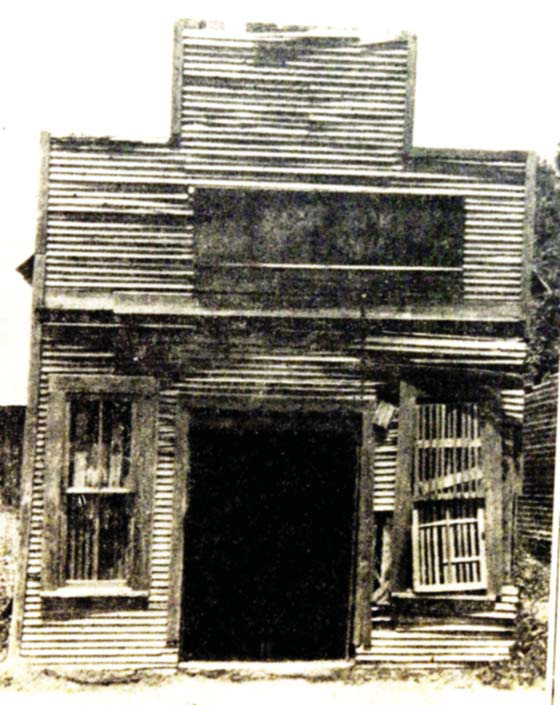
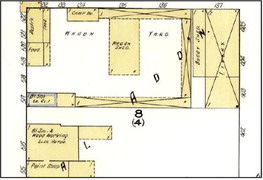
His shop was located on Elm Street. The building was originally a bunk or camp house for a wagon yard. It was built in 1893. The 1912 Sanborn Maps show several wagon yards on Elm Street that also had camp houses and livery stables next to them. Farmers would make the trip to town to buy supplies. If the trip was long, they would stay overnight at a wagon yard. This was also a social place where families would meet and visit with friends. Coming to town was a wonderful time to go shopping and buy treats for the kids. Stories, gossip, music and dancing were all ways to pass time in the wagon yard.
Livery stables were also close by so that farmers could feed their horses, bed down their teams at night and keep them safe during cold weather. Having a wagon yard was a lucrative business back at the turn of the century. Farmers would come to town and park in the wagon yard overnight. For those with a lot of money, they could stay in a hotel for more than a dollar a night. Families who didn’t have much money could sleep in the wagon yard for 15 cents. The fee also included use of the camp house that visitors could sleep and cook meals in. Two wagon yards were still located on Elm Street in 1912. Both had bunk houses. One of those may have become Jim Bradberry’s shop.
Jim used that shop for many years and was one of three blacksmith shops in town. Blacksmithing is a dying breed in many parts of the country. In the