

Tips for easier mowing and keeping lawns lush
Pablo Agustin Boeri, Ph.D., Texas A&M AgriLife Extension Service turfgrass specialist, shares tips for homeowners to make mowing as pleasant as possible this spring.
The right mower matters
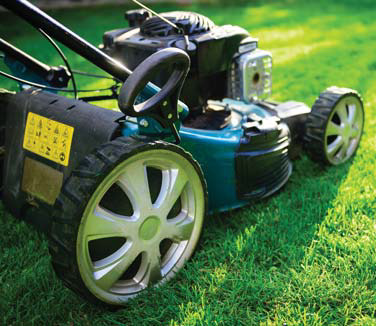
The kind of mower you use can make or break your mowing habits. The sharper you keep your blades, the quicker and easier it will be to cut your grass.
Boeri said if you let your blades get too dull, your turfgrass will be damaged. This can cause grass to be cut at uneven lengths, which makes mowing more tedious.
Autonomous mowers or robot mowers have been gaining popularity due to various benefits, such as reduced labor, energy consumption and gas emissions compared with traditional, gasolinepowered mowers.
“Robot mowers have small blades that only need to be changed every month or two to keep them sharp,” Boeri said. “Which is nothing compared to the larger task of changing a rotary mower’s blade.”
Reducing mowing
“If you irrigate too much and use more than the recommended amount of fertilizer, your grass will grow too quickly and you will have to mow more often to avoid scalping the turf,” Boeri said. To learn how much water your specific yard needs, AgriLife Extension offers the WaterMyYard program, which will send you weekly watering advice specific to your irrigation systems and lawn.
If you choose to use a nitrogen-based fertilizer for your grass, Boeri said it should be kept at a minimum for less frequent mowing.
“It’s better to use a fertilizer that will release slowly,” he said, “If you use a quick-release fertilizer, your grass will grow significantly in a shorter amount of time and can be hard to keep up with.”
If you want to avoid mowing in the summer, you can maintain irrigation at a minimum and let your grass go dormant. Check the drought tolerance of your turfgrass and the soil conditions before doing so. If you are concerned with the color of your grass, your lawn will look brown if you let it go into dormancy.
Select the right turfgrass
How often homeowners need to mow is also dependent on the kind of grass they have. Some grasses have slower vertical growth rates than others, which can produce greener looking lawns with less maintenance.
“If you’re looking into picking a new turfgrass, buffalograss is a native grass that can be left unmowed,” he said. “Species like Bermuda grass tend to recover faster than other turfgrasses from scalping damage.”
St. Augustine grass variety, is also a good low-maintenance breed of turfgrass. This variety has a gene that makes the grass denser and lower to the ground, requiring less mowing than other grass varieties.
Don’t cut your grass too low
One of the most important things to remember when taking care of your lawn is to follow the recommended mowing height. Boeri compares the practice of mowing your lawn to pruning a plant.
“We need to follow proper maintenance practices and to make sure we aren’t reducing the grass’s ability to deal with stressors such as drought,” he said.
The general rule is to mow less than one third of the leaf each time you mow. It’s important for homeowners to be wary of the height of their turfgrass and the frequency of mowing to ensure lawns are kept happy and healthy.