
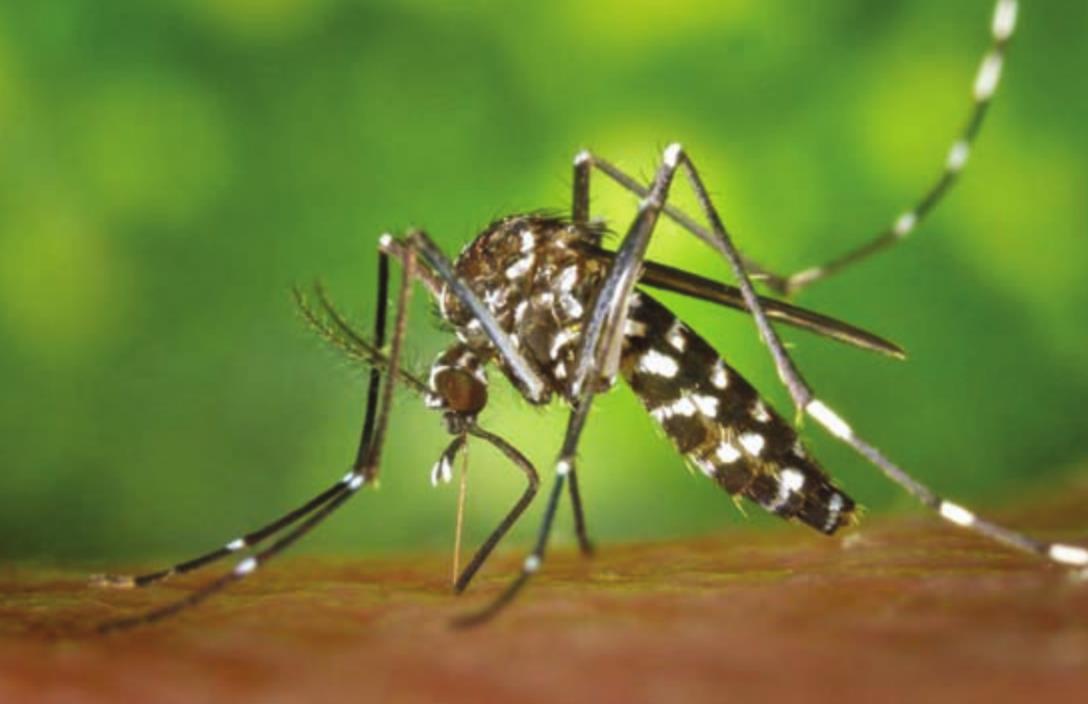

Mosquito populations booming after rains
Sonja Swiger, Ph.D., Texas A&M AgriLife Extension Service entomologist, said biting mosquitoes are a seasons-long problem that often changes based on the environment.
The annual mosquito boom
Rainfall, especially with multiple storm systems that have saturated and flooded areas around the state, can significantly contribute to a boom in mosquito populations, Swiger said.
“Our focus is going to be disease carriers that typically become a problem in late summer and early fall. However, all this rain has created plenty of habitat for floodwater and container species.”
Swiger divides mosquitoes into those three categories – floodwater, container and stagnant – and they typically emerge in the order related to the breeding environment they prefer.
First wave: floodwater mosquitoes
Floodwater mosquitoes are the first to emerge after rain events, Swiger said.
Heavy rains leave the ground saturated and create standing puddles in ditches and low spots in fields and lawns. Floodwater mosquito larvae emerge quickly after water becomes available. Eggs are placed there by females and wait for water, sometimes two to five years before rainfall reaches them depending on the species, Swiger said.
Floodwater mosquitoes are typically larger and are aggressive. These types of mosquitos are often the persistent biters from dawn to dusk, Swiger said.
Second wave: container mosquitoes
Container mosquitoes, which include the Aedes species identified by its black and white body and white striped legs, typically emerge next. Female mosquitoes lay eggs in anything holding water – from tires, buckets and wheelbarrows to gutters, unkept pools and trash cans. They prefer clearer, fresher water, and females are constantly looking for good breeding sites.
Third wave: Culex mosquitoes
Culex, a mosquito species that prefers stagnant pools of water with high bacteria content, typically emerge as waters recede and dry summer conditions set in and create breeding sites in low-lying areas. They are the disease carriers that concern the public and health officials. How to repel mosquitoes
How to repel mosquitoes from yourself, children and pets
Swiger said reducing mosquito numbers in your location and the use of spray repellents are a good start when it comes to protecting yourself from bites. Covering exposed skin with long-sleeved shirts and long pants help as well.
Making recommendations for protecting people or locations from mosquitoes can be a tricky proposition, Swiger said. She does not recommend any repellents or mosquito repelling products that are not approved by the Centers for Disease Control and Prevention.
Plants like citronella, geraniums, lemongrass, lavender, lantana, rosemary and petunias have been shown to repel mosquitoes, but Swiger said the distribution limits effectiveness for protecting a space.
How to control, prevent mosquitoes
Controlling mosquitos after widespread, heavy rains is difficult because their habitat can be so unpredictable, Swiger said. Container mosquitoes are a bit easier – remove the habitat by dumping the water or treat the water with granular or dunk larvicides.