
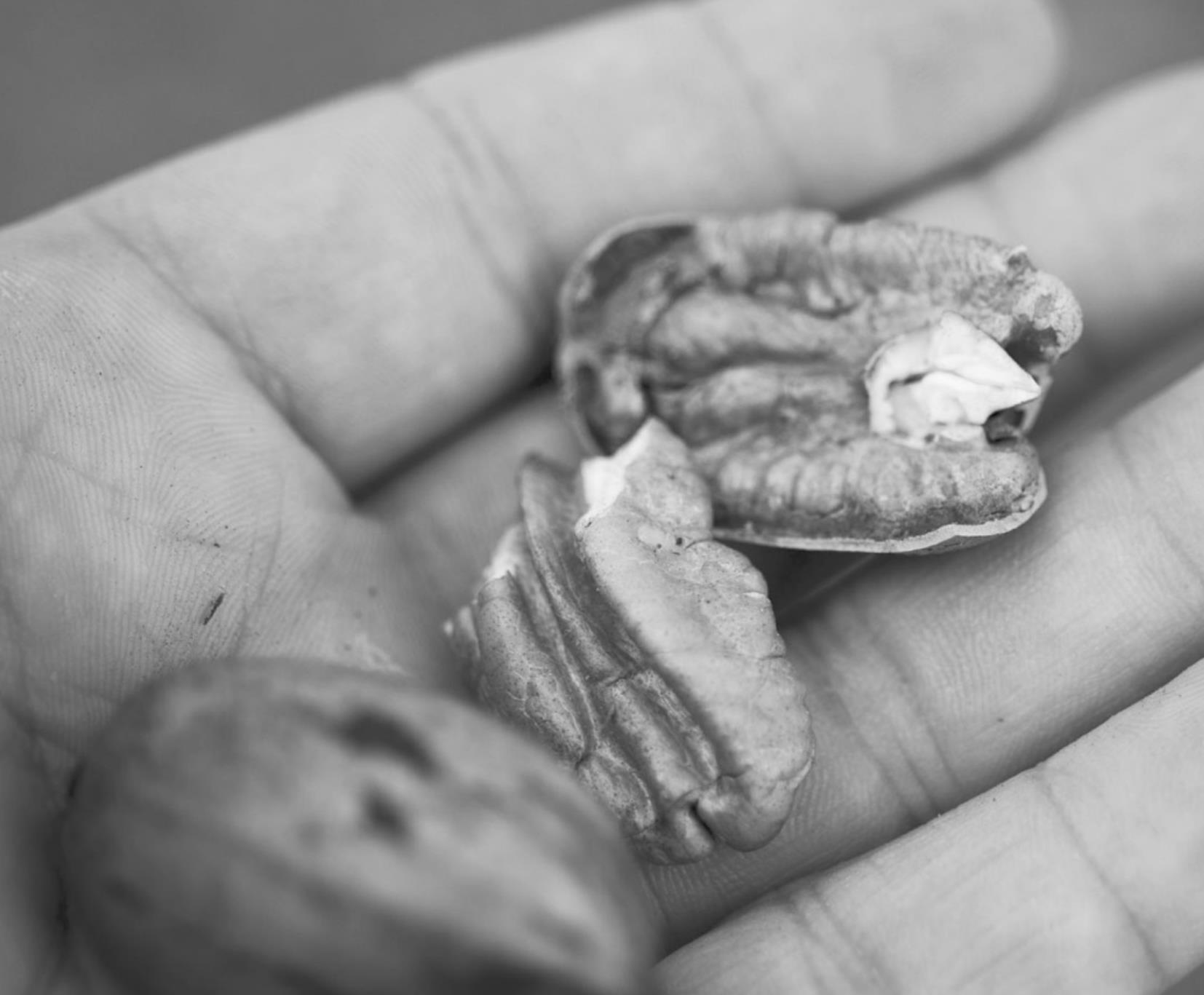
Texas pecan production appears better than expected, but market uncertainty amid the pandemic looms, according to a Texas A&M AgriLife Extension Service expert.
Larry Stein, Ph.D., AgriLife Extension horticulturist, Uvalde, said expectations were for a below-average year, especially since 2019 production levels were above average. Pecan tree performances are historically down following boon production seasons, he explained.
Pecan producers have begun harvesting early varieties like Kanza and Pawnee, he said. Harvest will ramp up going into October as later-maturing varieties are ready.
Stein said the Texas crop looks to be hit and miss, though some areas have a “heck of a crop.” Drought and typical boon-to-bust production cycles contributed to lower quality and quantity in other areas around the state.
“Production results really have varied this year,” he said. “There were cyclical factors and weather and moisture conditions that all weighed into how growers fared this year.”
Conditions improve for pecan production
Rainfall and cooler temperatures are helping pecan orchards finish out, he said. Timely rainfall was especially important for growers in South and Central Texas.
“The rains are a big deal for those producers,” he said. “To get rain as kernels were filling, that will help with quality and quantity.”
El Paso pecan production was off last year and looks to be bouncing back with excellent yields and quality. On the other hand, an April freeze hurt pecan producers along the Red River, he said.Major pecan production areas in southwest Texas, which rely on irrigation, were especially dry this year, he said, but now appear to be on track for a good year.
Stein said a general observation this year is that trees are cleaner with fewer honeydew aphids, black aphids, nut casebearer and webworms.
“There was very little pest pressure this year,” he said. “We don’t know why, but pecan case bearers weren’t that bad. Black aphids showed up late and weren’t bad. It seems to be a down year for pests.” Stein said he would like to say improved management practices contributed to the betterthan-expected performance overall, but much of tree performance, insect and disease pressure remain in question.
The market for pecans is another question mark for producers this year, Stein said.
“Other fruits performed relatively well this year, despite a lot of questions going to market with COVID-19,” he said. “There were some struggles, but local sales of local food have been strong, so we could see the same thing with pecans.”
Pecan market uncertain
Catherine Clark, managing editor for Pecan South Magazine and the Texas Pecan Growers Association weekly marketing newsletter, said pecans have had a rough couple of years.
The pecan market changed dramatically around 2012 when Chinese demand for the nut began growing, she said. The demand for in-shell pecans direct from growers made prices climb until the trade dispute.
But the trade war with China hurt prices after tariffs increased from 7% to 47%, and COVID-19 added even more uncertainty to the 2020 pecan market, she said.
“The shutdowns in March and April at a time when harvests in South America and Australia were happening and shellers were trying to sell a largerthan-expected carryover supply has led to price drops and uncertainty going into harvest this season,” she said. “There’s not much buying activity or offers being made, but we are seeing some mom and pop retailers looking for pecan supplies, so that they will have products going into the holidays.” Clark said prices for in-shell pecans was $2-$3 per pound, with shelled pecans around $4 per pound. The U.S. Department of
The U.S. Department of Agriculture will offer larger operations $40 million in buying contracts for pecan pieces that will go toward national food programs.
“It’s early in the season, so there is a lot of uncertainty,” she said. “Smaller operations might see some offers from nearby retailers, which historically give better prices to local growers, but movement has been slow so far.”