
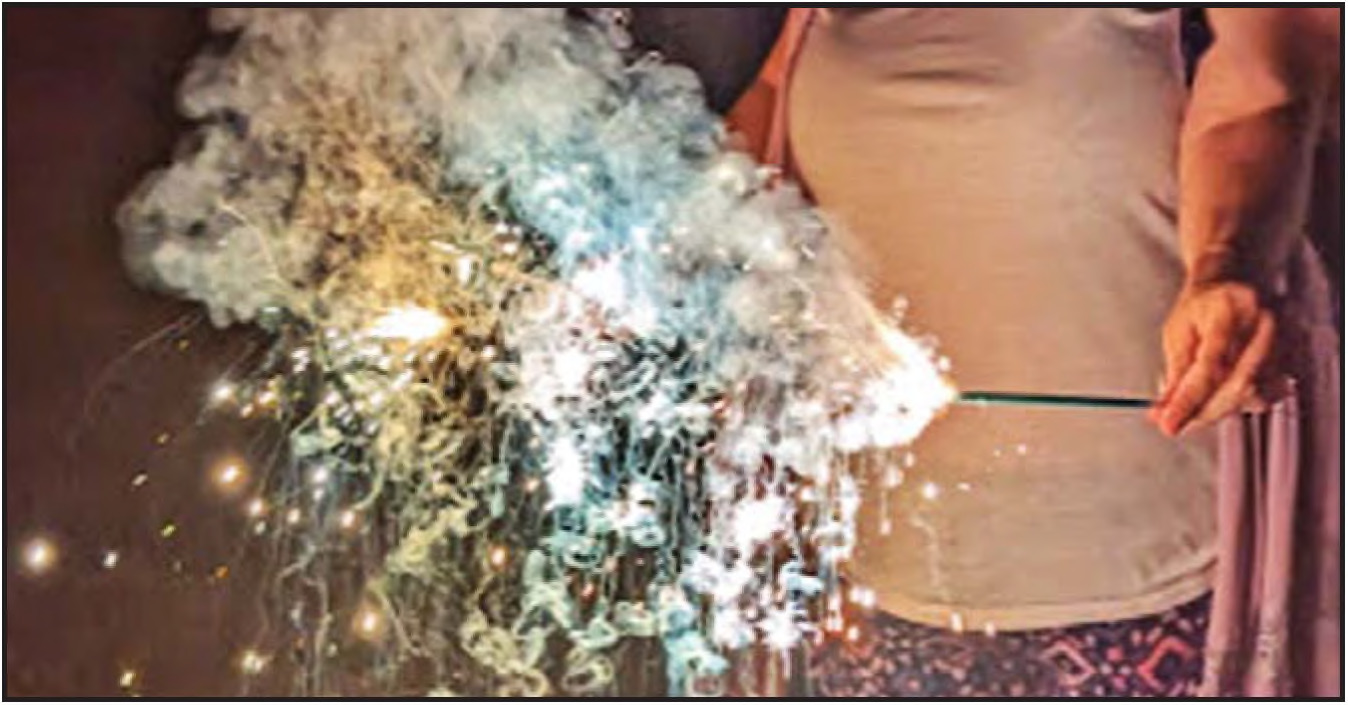
This year there is no restriction on the sale of fireworks inside Erath County and fireworks will be sold through midnight on July 4. Water safety at area lakes is also advised throughout the holiday week.
Currently, Erath County is also not under a burn ban due to the amount of rain the county has seen.
Fire Marshal Tommy Shelton encourages everyone to be safe while utilizing fireworks and still have water handy to extinguish fireworks in case of a fire.
Shelton reminds everyone that if a firework starts a fire and destroys property the individual can be held responsible both civilly and criminally.
It is also illegal for fireworks to be used inside the city limits of Dublin or Stephenville (unless a professional permit is being used for a firework show).
“Anyone caught using fireworks in the city limits will be cited and any remaining fireworks will be seized,” Dublin Police Chief Cameron Ray said.
For those shooting off fireworks outside the city limits here are a few safety tips cited by the Department of Homeland Security: Always use fireworks outside and have a bucket of water/hose nearby in case of accidents.
Designate a safety perimeter. If you have ground-based fireworks like a fountain, spectating from at least 35 feet away is best. For aerial fireworks, you’ll want everyone to move back to a distance of around 150 feet.
Ditch faulty fireworks. Sometimes fireworks don’t go off, but duds always pose a risk. The important thing to know is that you should never try to relight or approach a failed firework. Let duds sit for 5 -10 minutes before you put them in a bucket of water.
This can prevent injury from a delayed explosion and disarm the firework permanently so you can safely dispose of it.
Supervise children when they are handling sparklers. Sparklers burn at about 2,000 degrees Fahrenheit—hot enough to melt some metals. Sparklers can quickly ignite clothing, and children have received severe burns from dropping sparklers on their feet or touching body parts.
Don’t forget about your pets! Fireworks can be extremely stressful for pets, but there are ways to help reduce their fear and anxiety. Keep your pets indoors. Close the curtains or blinds and turn on the TV or radio to provide some distraction. Treat toys filled with their favorite food (frozen pumpkin puree, peanut butter, and apple sauce are good options) may also help keep their minds busy and distract them from the fireworks.
Soak both spent and unused fireworks in water for a few hours before discarding.
Never place a part of your body directly over a firework or hold a firework in your hand when lighting. To safely light fireworks, make sure they are secured on the ground away from people and animals and use a stem lighter such as a grill lighter.
Only light one firework at a time. Lighting multiple fireworks at the same time increases the risk of accidents occurring from the fuse burning faster than designed.
Avoidalcoholconsumption when handling or using fireworks.
Consider safe alternatives to fireworks such as party poppers, bubbles, silly string, or glow sticks.
Also, use common courtesy in regard to neighbors who may be sensitive to loud noises, especially veterans. Shut down firework usage at a reasonable time.
Water safety at area lakes is also needed throughout this week especially. Here are some tips from the U.S. Forest Service.
Do not dive into the water. Jumping from cliffs or bridges is dangerous due to shallow water, submerged rocks, trees, or other hazards.
Choose swimming areas carefully and swim only during low water conditions.
Always swim with a buddy and in supervised areas, preferably ones with a lifeguard on duty.
Always supervise children closely. Do not read, play cards, talk on the phone, or engage in any other distracting activity while watching children in or around water.
Avoid drinking alcohol before or during swimming or boating. Avoid drinking alcohol while supervising children around water.
Learn to swim. Enroll yourself and your children in swimming classes. However, don’t consider your children to be “drown-proof” because you enrolled them in an infant water-proofing class or swimming class. A child who falls into water unexpectedly may panic and forget learned swimming skills.
Learn cardiopulmonary resuscitation (CPR). Because of the time it might take for emergency services to arrive, your CPR skills can make a difference in saving someone’s life.
Use life jackets that meet U.S. Coast Guard requirements when boating, regardless of distance to be traveled, size of boat, or swimming ability of boaters.
Do not use air-filled or foam toys, such as water wings, noodles, or inner tubes, in place of life jackets. These are toys and are not designed to keep swimmers safe.
Know the local weather conditionsandforecastbefore swimming or boating. Strong winds and thunderstorms with lightning strikes are dangerous to swimmers and boaters.