Written by Paul Gaudette
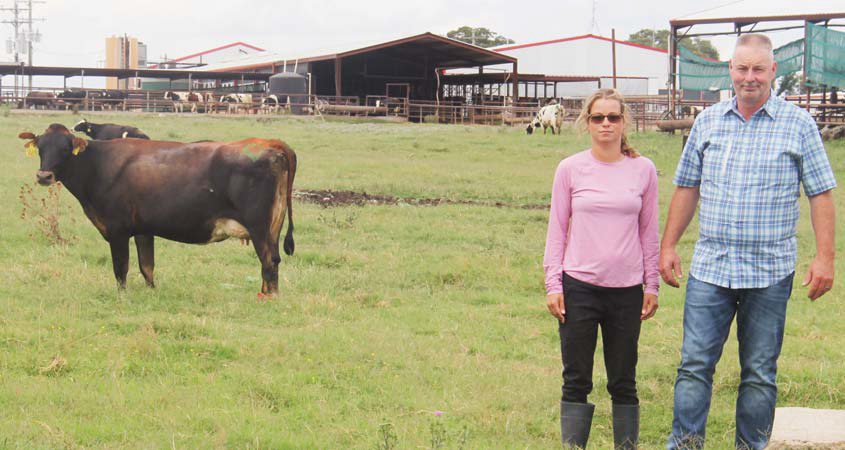
Dublin organic dairy farmer Henk Postmus, who has worked alongside his daughters for years, encourages anyone unfamiliar with milk production to learn about it.
“If you have an opportunity, take a tour, hop into a car and see where your milk comes from,” Henk said. “It’s not from the store or the bottle. Little things have a huge impact.”
As a local organic dairy farmer, he and his family are keenly aware how of one small thing can affect an entire business.
Henk can trace his family’s dairy lineage at least five generations back and started himself in 1991 when his family bought an operation in the Netherlands.
While he was managing that farm, his brother-inlaw, John Peter Devries, came to work in Dublin so Henk got to visit this area and liked it.
When he left the Netherlands operation, he came to work on a dairy on the other side of Stephenville for several years before finding the current farm towards Carlton and buying the 800 acre plot.
He started then with 1,000 cows. Today, it stands at 3,000 acres and 2,000 cattle.
The expansion and switch to organic can be traced to a call from his feed nutritionist. A small farm near the Postmus dairy had told Henk of the potential in organic farming. After some consideration, they purchased the property and cleaned it up.
Like every aspect of organic farming, the decision to switch takes a lot of forethought. The rules for organic producers state that cattle have to feed on organic crops (free of herbicides, pesticides and hormones, just like the animals) before they can start marketing their product.
Henk said they sold a lot of their stock and grew their calves into organic so the full switch over took a couple of years.
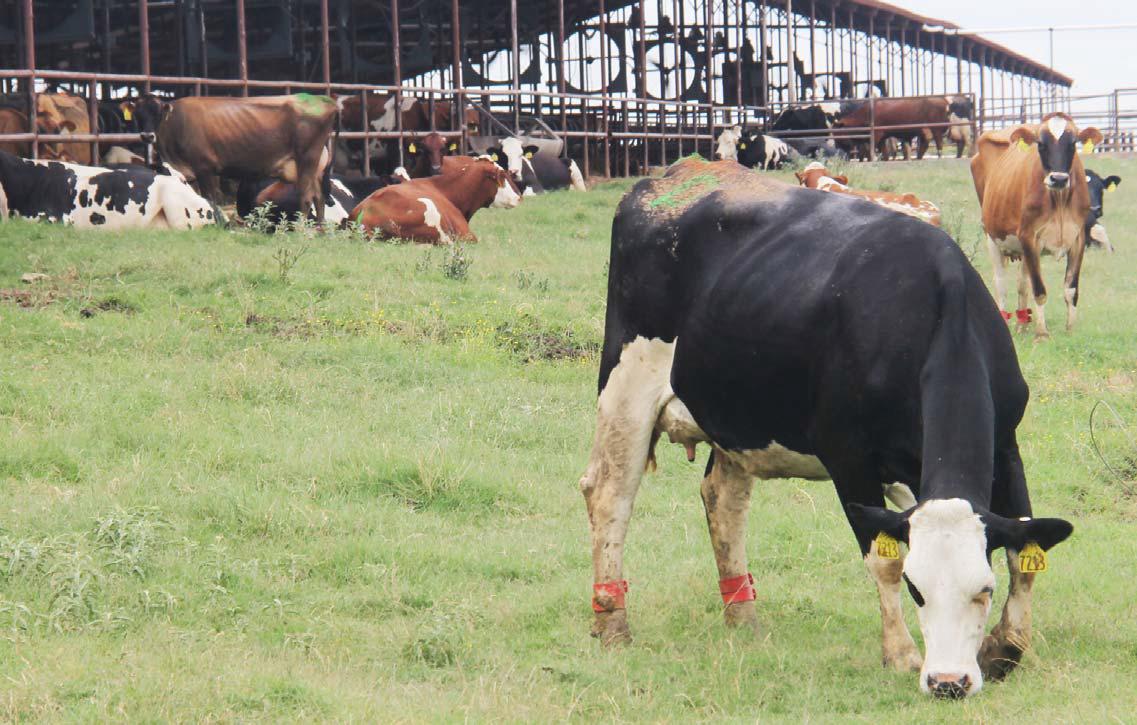
The goal in starting the family farm was to be “self sufficient,” which lent itself well to going organic, he said. The dairy has grown so much because organic cattle have to graze and forage. Henk was used to grazing stock for the Netherlands and developed a plan to make it work in the Texas heat.
One concession was to get the right breed of cow. Henk reported that Holsteins are great for high production but are more suited to staying in place to feed. They started hybrid breeding a mix of cows with a little more muscle so they would be better suited to walking to graze.
They also started tilling in winter grasses in October once the frost kills the existing Bermuda grasses so the pastures will grow year-round.
The dairy also had to find connections for crops like corn and soy beans which are certified for organic farming that they can mill themselves.
“We cannot just call our neighbors for feed,” Henk said. Grains have come from Kansas, Nebraska and Minnesota and there have even been times where they had to find organic feed from Canada.
Before any of this can come in, they have to be assured it’s certified and receive a copy of the documentation.
This is because, as an organic farm, the dairy is subject to unannounced inspections from eight different agencies which check into everything from the feed being prepared to the treatment of the animals to ensuring the milk being produced was kept separated from conventional product. (Organic milk is produced on specific days after the equipment is completely cleaned to ensure the products don’t mix.)
The inspections can come any time as one New Year’s Eve visit proved to them.
All this is where Henk’s oldest daughter, Maryke comes in on the business side.
“She keeps binders and binders full,” said Henk. “There’s lots of paperwork.”
The 27-year-old is responsible for keeping all of this in order and working with agencies as well as the payroll and finances of the dairy.
This can also be a lot of receipts to maintain because Henk said they will make four trips per week for supplies with about seven stops each.
“It’s amazing how much impact a dairy farm has on towns like Stephenville and Dublin,” Henk said.
Maryke remembers being very young when they moved to the dairy but always loved working with the animals and, along with her younger sister, Lisa (who is taking classes from West Texas A&M and working in ag), helped in developing the land from rocks and cacti to pastures for their cattle.
“The goal is to leave this land in a better place that I found it,” Henk said. “[My daughters] have seen where it came from and what we had to do for it.”
Henk feels blessed that his daughters have the family business in their blood just as he does and is also grateful for a dedicated staff which includes Maryke’s husband, Gabriel Hernandez, who spends a lot of time mowing the field and chopping silage.
“He has a gift to lead the whole crew,” Henk said of his son-in-law. “He’s worked for me for 15 years and each year it’s easier for me.”
The family reported the last couple of years had been difficult for the organic industry as there was an excess of milk so farmers weren’t getting paid enough for the high expenses they have to put in. This year appears to be shaping up better now that they weathered those years.
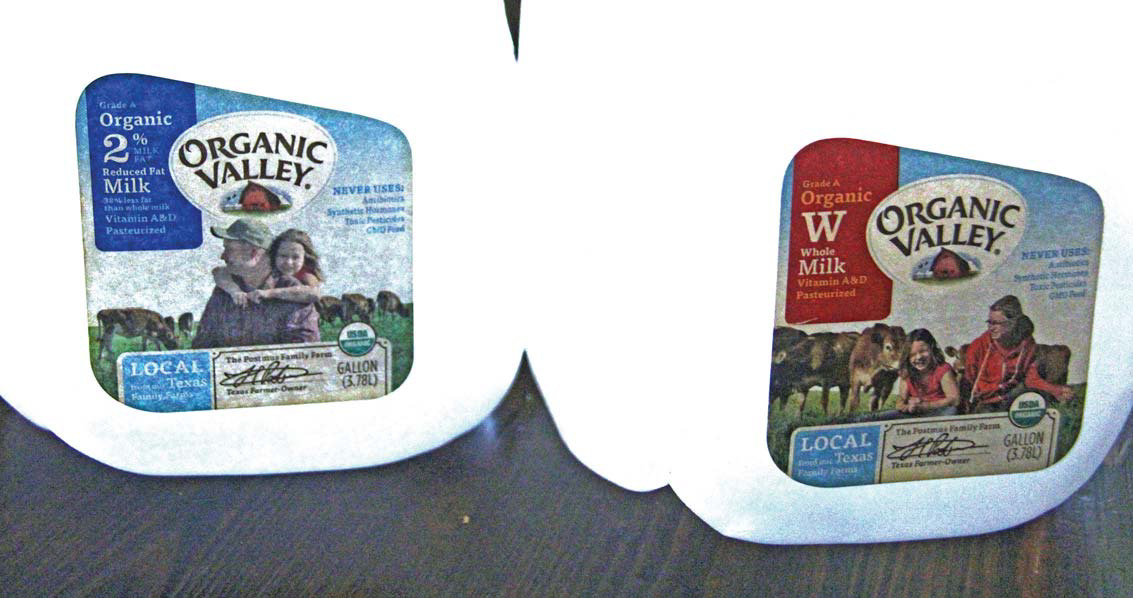
The more natural product does have its fans in ‘health conscious’ consumers which skew older and younger and tend to be in urban environments. Henk said a lot of their product ends up on shelves in cities like San Antonio and Houston.
The operation is a lot of work but Henk gets to share it with his kids and one day, let them take over.
“It’s just in my blood and genes to work with dairy and cattle,” he said. “It’s a big blessing they love it as well.”