
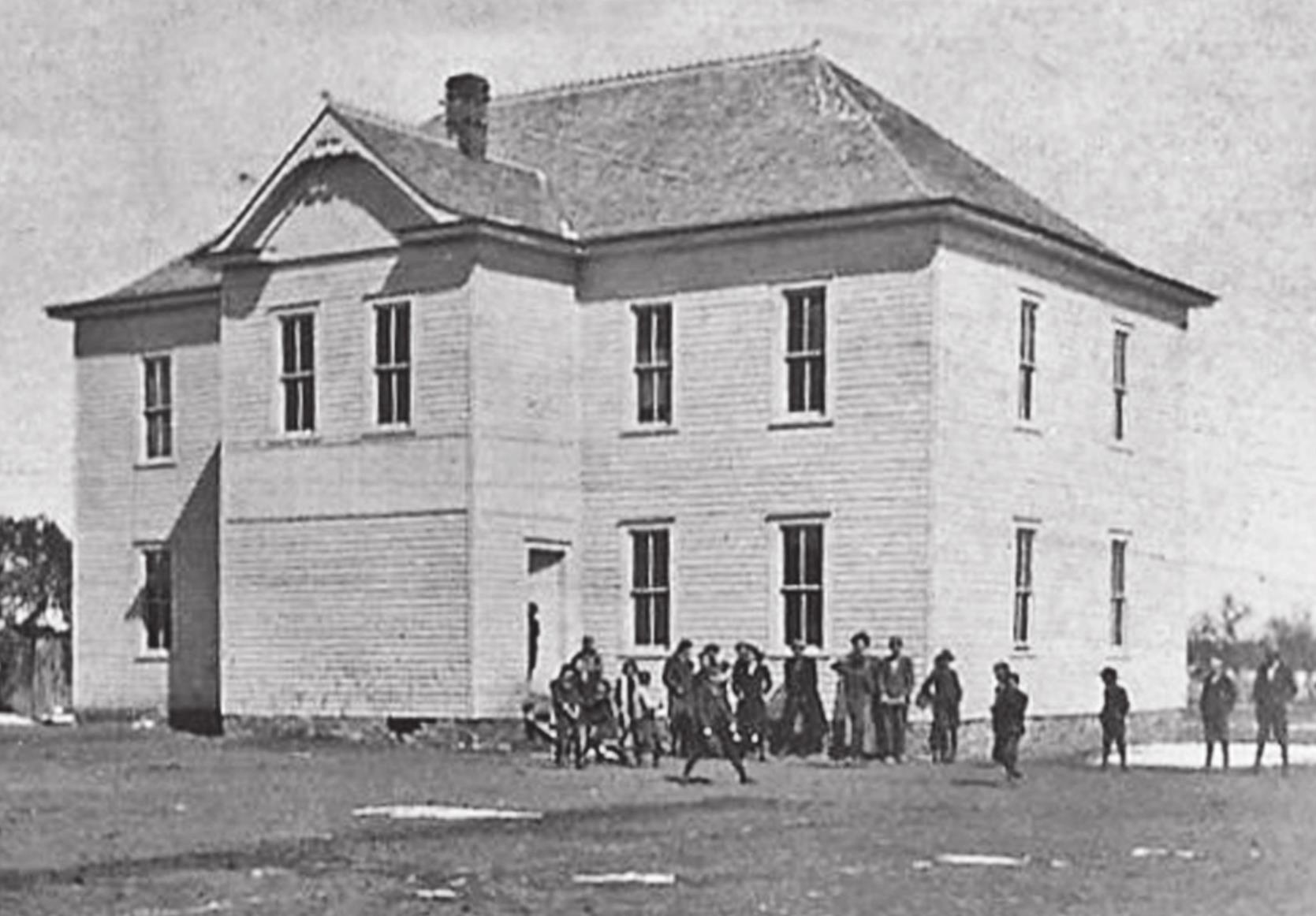
Harbin Community began as a dream in an area bordered by an old abandoned Indian village. Jonathan Harbin had moved from South Carolina and ended up in Texas.
In 1878 he moved to Erath County and bought land northeast of Dublin. The first school was a log cabin with Harbin as its first teacher. The community may have originally been called Bishop, named after the man named Bischoff, who donated the land for the log cabin school. The community was later renamed Harbin on May, 21, 1892 to honor Jonathan Harbin.
When the Fort Worth and Rio Grande Railroad came to Erath County, it passed through Jonathan Harbin’s land on its way to Dublin in 1889.
He sold off lots for houses and stores, but decided to donate land so a school could be built in the area. He opened a general store that had the community Post Office, with him as postmaster. (ECGS Journal, Vol XV, Carolyn McMillian-Harbin p27)
A wood frame train station was built in the 1890s. As time passed, Harbin grew to include a hotel, three merchandise stores, a drug store, barber shop, two blacksmith shops, a cotton gin, a grist mill, methodist church, two lodges, three doctor’s offices and Harbin Public School of 150 students.
A new two story school was built in 1907. The school had classrooms on the first floor divided by hinged doors and an auditorium on the second floor.
It became one of the larger schools in the area, teaching up to tenth grade. The structure served the community well until school consolidation closed the school in 1943. Students were then transferred to the Dublin school. After the school was closed, the building stood unused for 30 years. It was later demolished to salvage the lumber for construction of a home. (ECGS Journal, Vol XV, Mary Sue Peacock p 28-31)
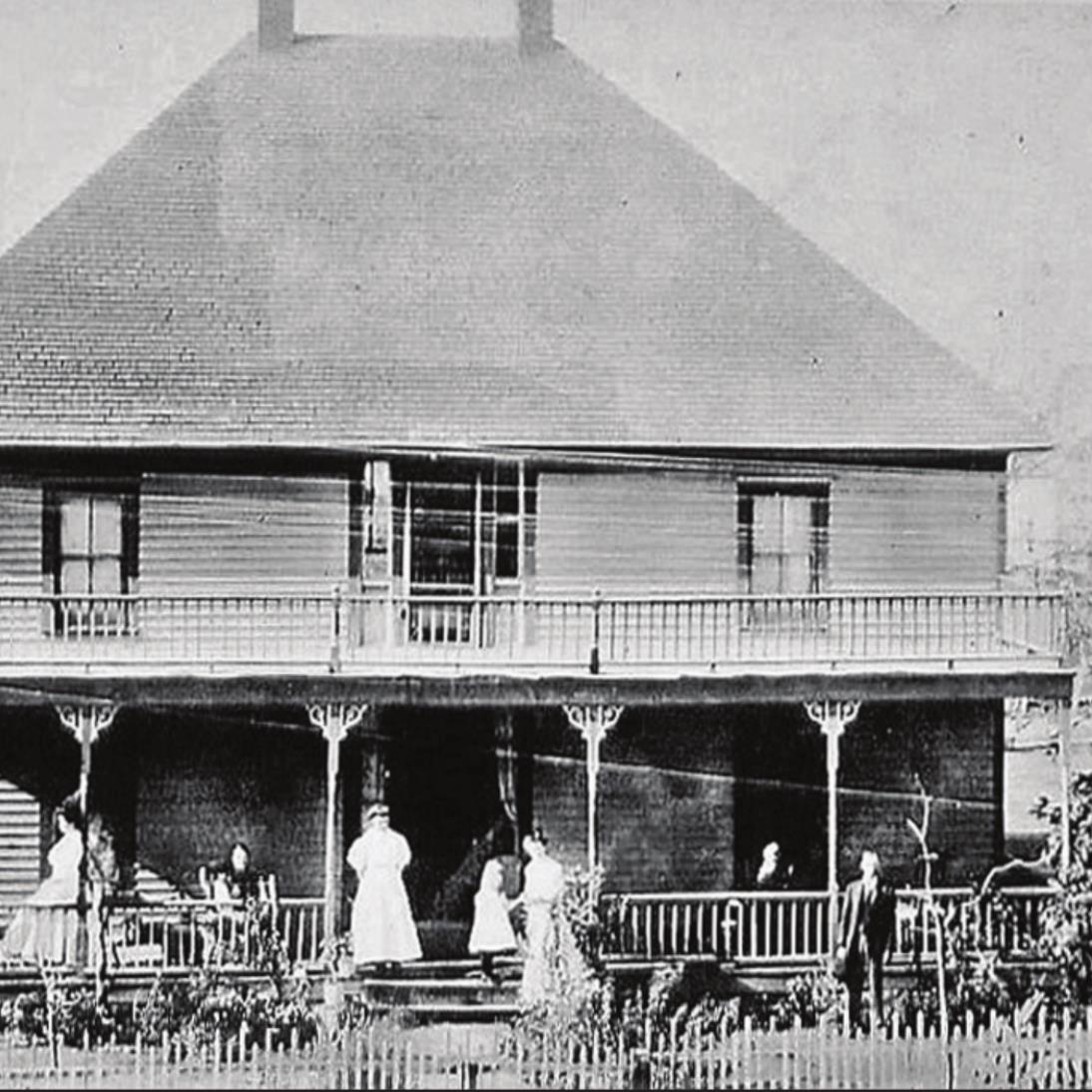
During Harbin’s more active years, the John Raney family home served as a hotel, telephone exchange and the Harbin Post Office. Dr. O’Brien originally created the first telephone exchange in Dublin. It was an extension of the telephones used on the railroad at that time. In September 1895, Harbin and Dublin were linked by phone lines so that Dubliners could talk with their Harbin friends.
The old Harbin Methodist Church was built in 1892. It served the community well until 1945 when the old building was torn down and a new one built salvaging and reusing what material they could.
The Rev. J. Morris was the pastor when it was rededicated. That frame building would be later moved to Dublin. Many at Harbin attended the annual revivals held at the Greens Creek Tabernacle. Later the Harbin Reunion met at that same tabernacle. The cotton gin was moved to Dublin in 1923. (ECGS Journal, Vol XV, Judith Robbins-Lemons)
In the early 1940s, the community had two stores, a school, a church and a population of eighty.