
The surveyors of the Texas Central Railroad came through the Dublin area in 1879 and started laying out the path for the new railroad.
By 1881 the first trains started coming through with mail runs in both directions as early as June 1st of that year. Work had also started on W. T. Miller’s grist mill in downtown, which was an indicator that long term plans were made for commerce for Dublin.
Dublin was starting to become a business center with lots of activity here. By September 15th of 1881, the railroad was making runs to Cisco as rails continued to be laid.
Managers of the Texas Central had thought that Mt. Airy was going to be a city, but with the continued development, Dublin looked like the place for business.
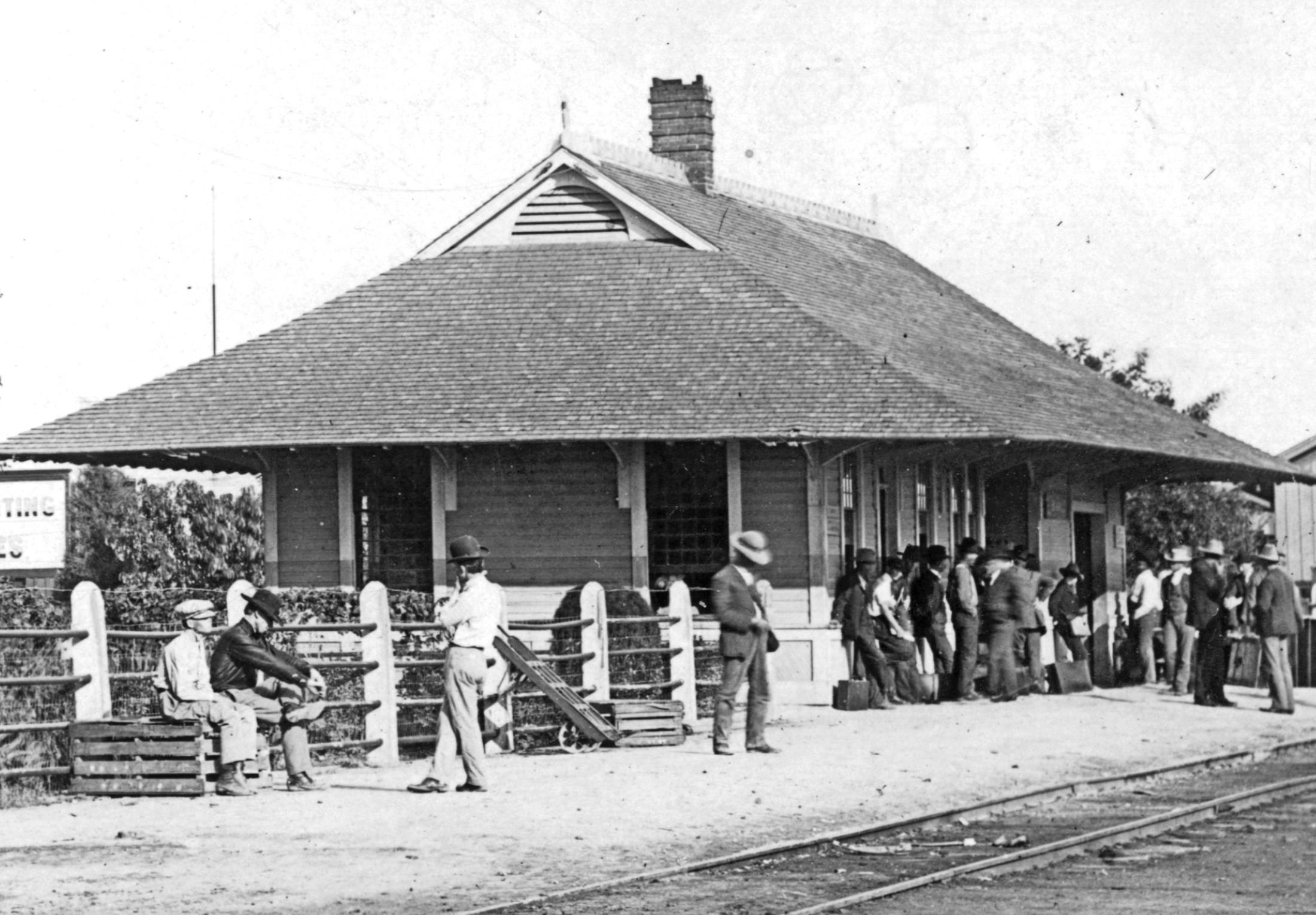
The Mt. Airy train station was picked-up and moved to Dublin in May of 1882. A freight station was later added. (History of Dublin, Lattimore p47-54)
The amount of lumber shipped out of Dublin was amazing. It was said that the freight station was woefully inadequate for the job that was taking place.
The Texas Central freight station burned several times in the later years. Once in 1909 and was rebuilt. It burned a second time in 1917, just as the United States was entering the war in Europe and the national conscription (draft) was beginning. Some were concerned that the 1917 fire was linked to our involvement in World War I and was an act of terrorism. Other fires had mysteriously occurred in other cities. (Dublin Progress, January 15, 1909) (Dublin Progress, September 28, 1917)
By 1928 the Missouri-Kansas and Texas (MKT) railroad had purchased the line through Dublin and they decided that a new more elegant station should be built.
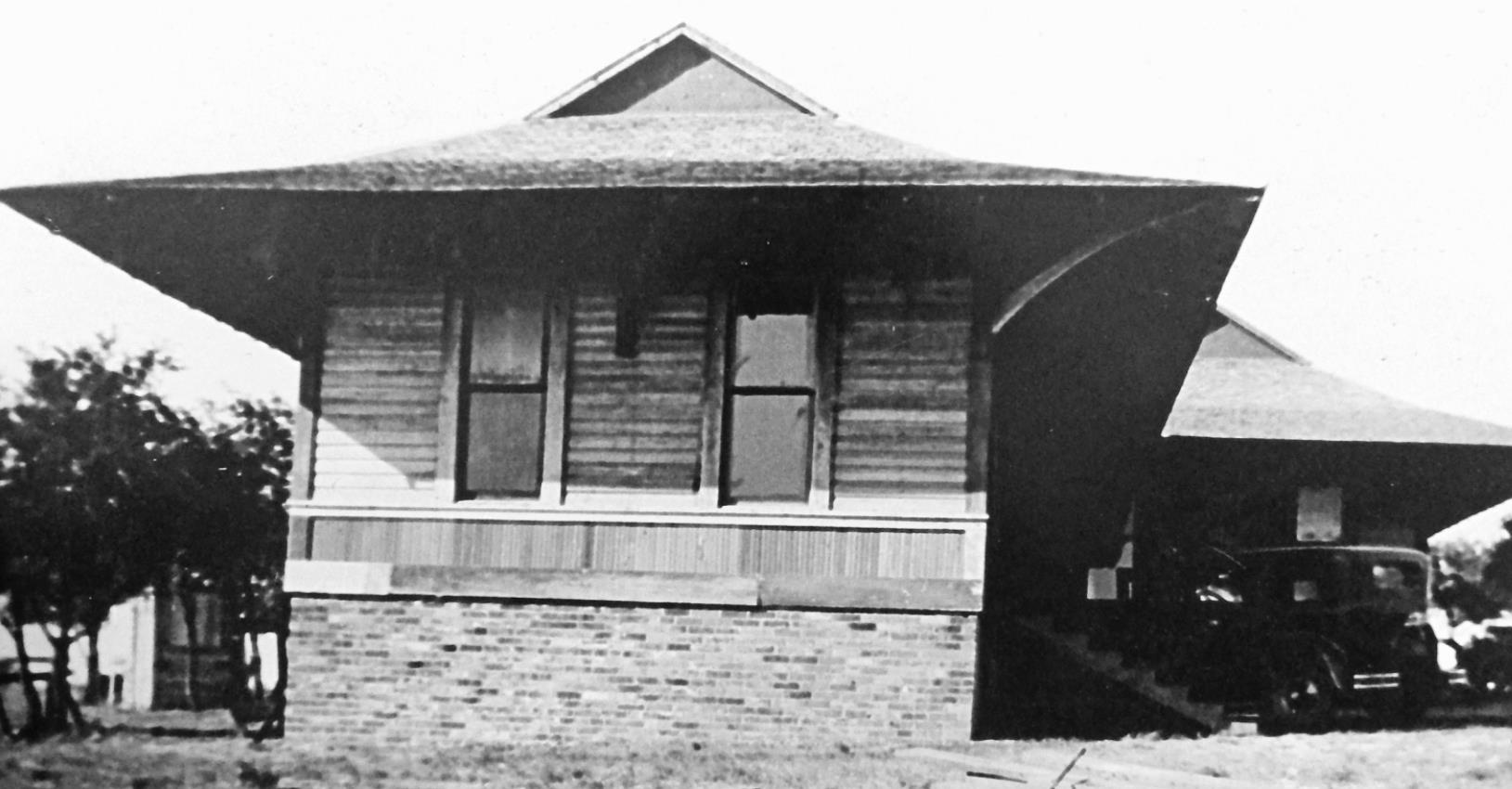
To make that happen, the original train station was removed from the train tracks and taken to the Dublin - De Leon Golf Club and built on 150 acre plot, 4.5 miles west of Dublin. With the new club house, the golf attendant no longer had to sit under a shed. The new building made many socials possible with dances and bridge games held there.
Though Ben Hogan had moved with his family to Fort Worth, he returned to Dublin and played with friends on the course.
The new club house was in place when Ben Hogan won his last amateur game there in 1929. Eventually, better greens elsewhere and World War II sounded the death knell for the Dublin - De Leon Golf Club in the 1940s.
The club house after the war, was used as a meat processing slaughter house and later in the 1950s, the golf course and club house were destroyed in a fire that scorched 1,500 acres in the area. (Mac McKinnon, Dublin Citizen, May 6, 2010)
The brick 1928 train station still stands next to Patrick St. just south of downtown. Some have said that it was one of the best designed passenger and freight stations built on the MKT.