
The Dublin FFA Agriscience program is adding more accolades and building on the success of last year as 12 students have advanced to state competition this month for a slate of wellresearched projects.
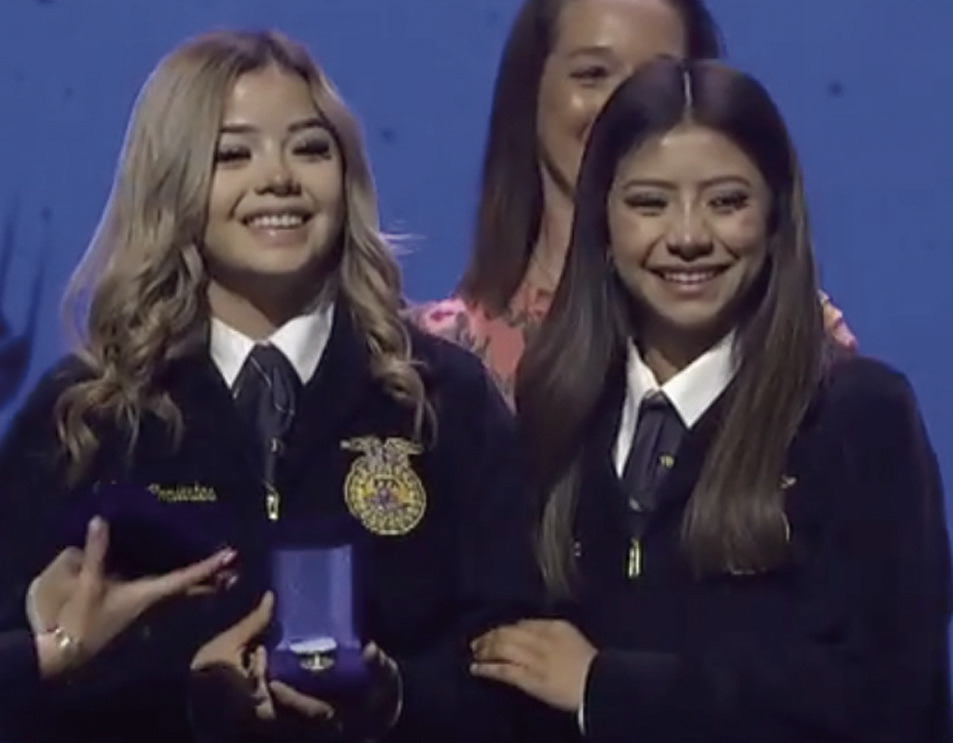
“These students have dedicated countless hours to conducting research, analyzing data, writing scientific papers, and preparing presentations that showcase the future of agriculture and science,” said Dublin FFA advisor Sophie Hayhurst on social media. “Their achievement is a testament to their perseverance, curiosity, and commitment to excellence.”
This marks the third year that Dublin FFA has participated in agriscience fair projects but the event was cancelled in 2024 as Hurricane Beryl affected the state convention. Last year, Dublin FFA had seven kids and five projects. This year, there are 12 students and seven projects.
“We had a lot of freshmen interested this year,” said Hayhurst in an interview. “It was also a great leadership opportunity for the experienced students. I’ve seen a lot of personal growth with the competitors.”
Student have been able to work on projects since Aug. 1, 2025 so some have been working for 10 months.
Hayhurst is proud of a lot of the innovation Dublin students have shown in picking projects and compiling results.
“They are more involved and we’re not watching them do the minimum,” she said.
Each student or pair submitted a research paper between 20-30 pages. There were 195 projects submitted and only 66 percent advanced. Those advancing will need to get a gold ranking in their division, determined by subject, grade level and whether it is a single student or pair. This competition will happen at the Texas FFA Convention July 6-10 in Fort Worth and students will have to present projects and answer questions from a panel of industry professionals.
Those who advance from there resubmit at the national level and the top 10 go to national competition.
The following students are representing Dublin FFA at state next week.
Zoey Soria and Isabella Cervantes in Power and Technical System Division 4. This duo was in the top 3 of the nation last year so they had to change categories. They decided to study if consistent use of vibrating tools affected hand grip strength (an attribute that has been linked to overall health). Hayhurst said they sampled people age 18-39 and had them use a power drill for 5 minutes without stopping to check potential impact.
David Greene (a national finalist from last year) and Jayden Rojas in Animal Systems Division 6. Both of these students advanced in solo projects last year and decided to check for reliability in checking livestock fertility. They collaborated with Dr. Rafael Martinez at Tarleton State University and tested three different semen and analysis methods (Neubauer,minitube androscope and an app called Avare Biotech). They checked for consistency among bull and equine samples (with assistance from Select Sires) using premium lab services and consumer products.
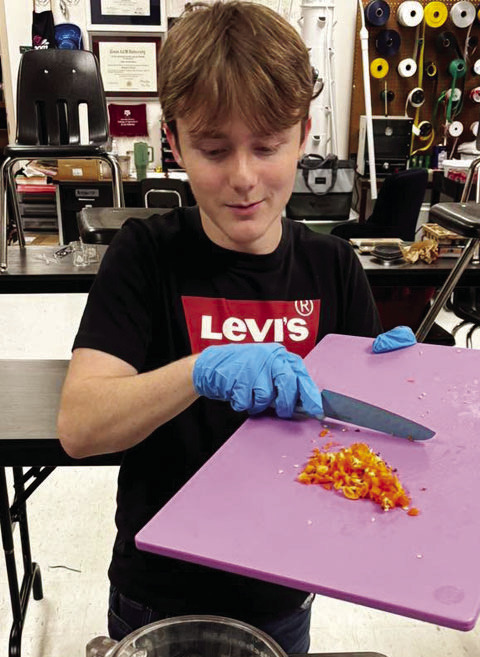
Paul Adams in Plant Systems Division 5. Adams is another national finalist from last year who decided to study capsaicin’s (the chemical compound that makes gives peppers their spicy burning sensation) ability to be antimicrobial and antifungal. Capsaicin was harvested habaneros and applied to samples of things like E. Coli and thrush to see if it could play a natural role in fighting sickness.
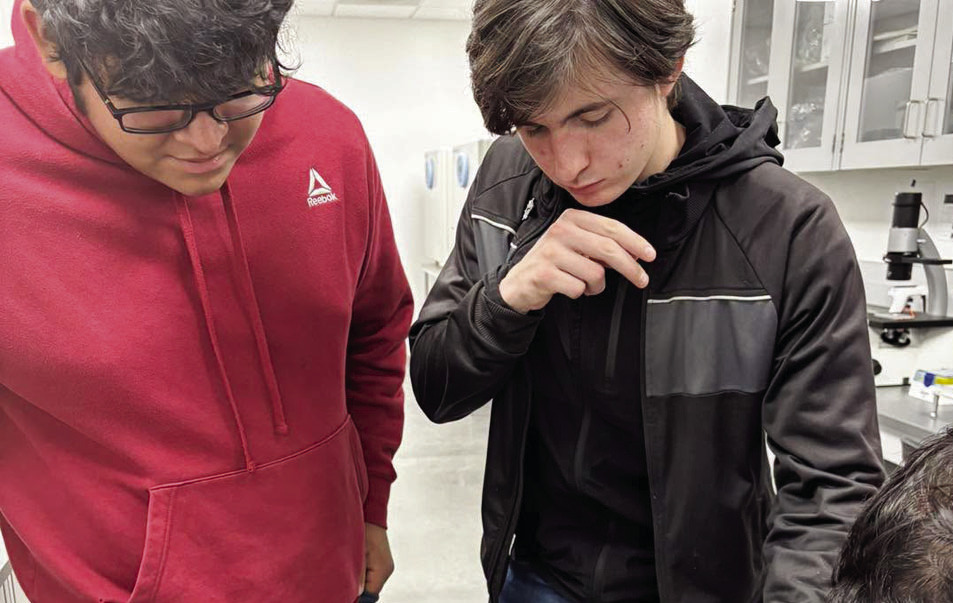
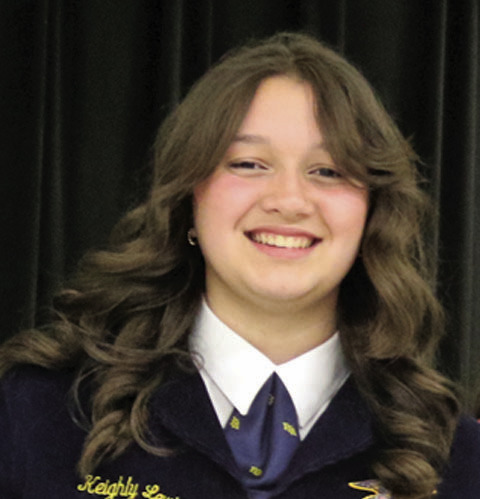
Keily Lewis and Eli Moreno in Food Products and Processes Division 4. Lewis had worked on two projects before and collaborated with first-year Moreno. Hayhurst said the partnership worked well as they examined whether bacteria from the outside of a fruit was able to transfer to the inside by a knife as it was sliced or cut.
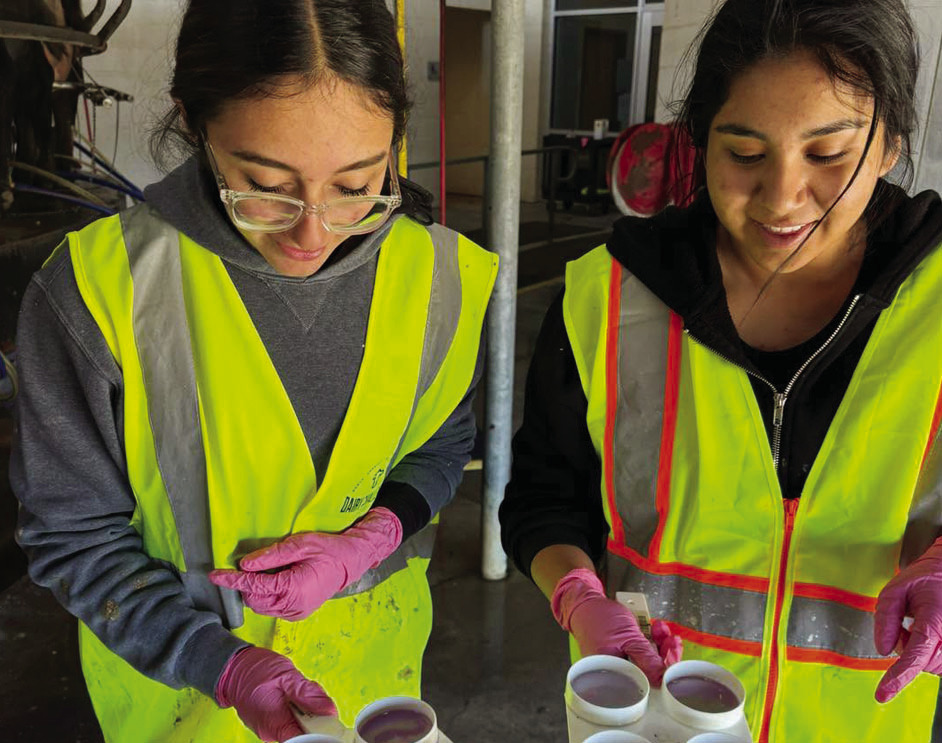
Anabelle Delgado and Heidy Osornio in Animal Systems Division 4. The duo worked at Tarleton’s Southwest Regional Dairy Center and samples 97 cows to determine if the height of hanging udders related to mastitis occurrences.
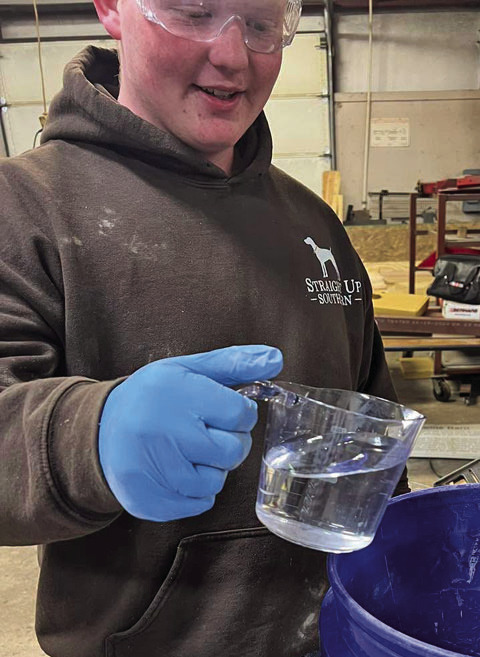
Bentley Limmer in Power and Technical Systems Division 3. Limmer studied the potential of using microplastics (from things like milk jugs, straws and water bottles) as additives in concrete. The samples were put under pressure in a hydraulic press to determine strength.
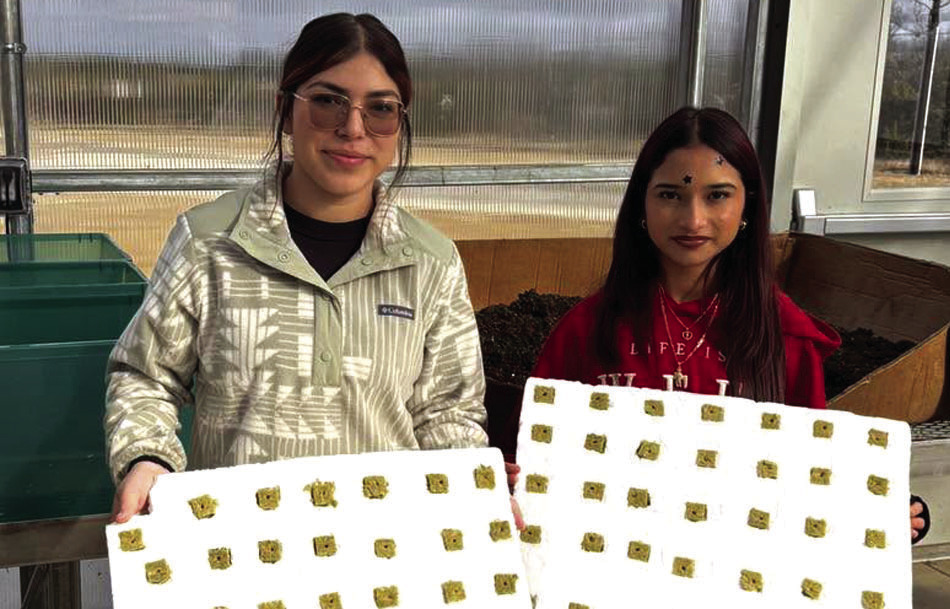
Xitlali Briseno and Joanna Acevedo in Plant Systems Division 4. This freshman duo studied sustainable ways to grow plants as they determined if rising temperatures were limiting production growth. Using the cooler, green house and classroom, they raised plants at different temperatures and measured chute weight and dehydrated root growth.
Hayhurst expressed pride in the entire group and appreciation for the support they had from professionals and professors in conducting their research.
“We are incredibly proud of each of these students and cannot wait to watch them represent Dublin FFA at the state convention this July,” she said.