Ours.
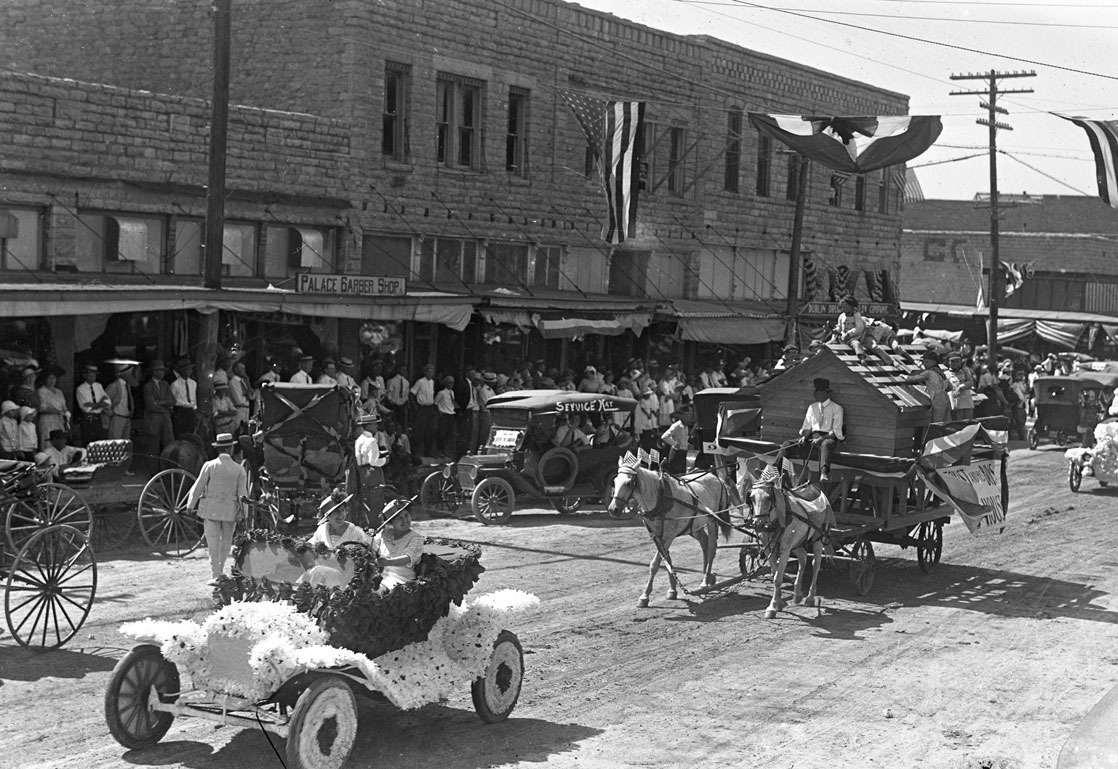
The 1915 Grand Army of the Republic (GAR) Veterans Reunion was the t27th annual reunion and old settlers met in Dublin. The Veterans Reunions had originally started in 1888. Old soldiers would march in uniform, double file the full distance from downtown to Reunion Park. Some years they would march to the cemetery and put flags on graves of those who served. Over the years fewer and fewer of the soldiers were able to enter the parade and with this condition, the intense interest in the parade ceased. The parade was eventually dropped, though it was one of the most interesting and enthusiastic features. (Dublin Progress, August 6, 1915) The reunion committee decided that the 1915 parade would include those veterans who could still march the distance, from downtown to Reunion Park at that time. The vast sea of citizens lining the streets were pleased to see the parade again. The soldiers in uniform and the decorated floats in the parade made a memorable occasion. The parade began at the corner of the Guaranty State Bank (Hogan Museum) and moved south along Grafton Street to the Texas Central Station, then north on Patrick Street. The parade passed the Edmond Photo Studio (where Golden Butterfly is now) where pictures were made of the passing floats as they continued to the Reunion Park grounds. The park was located on Clinton Street across the street from the large Victorian houses.
In the early days of the reunion Dublin had a street car that would go from the Texas Central train station to the park. The street car was pulled by two mules who might or might not want to go the same direction as the steel tracks. Though the street car was busy during the reunion, the rest of the year there was not enough riders to economically keep the enterprise going. The street car enterprise finally came to a close in 1896.
After the parade, veterans would go to the park and share their experiences during the war and enjoy each others company. Several speeches were made at the tabernacle located on the grounds. Wednesday, the second day was Fort Worth Day and featured business men from Ft Worth who were in evidence everywhere and made themselves at home. The fourth day was Waco day. (Dublin Progress, August 6, 1915) A balloon ascension and parachute leap occurred on the second and fourth day of the reunion. During the civil war, reconnaissance gas filled balloons would be launched. They would climb to an altitude where they could see battles or advancing armies. Observers would jump out of the balloons with a parachute and deliver the necessary messages to the army authorities. Civil war ballooning was primarily involved tethered gas filled balloons that elevated observes up to 1000 feet. The gas filled balloons were difficult to shoot down. (Civil War Ballooning, battlefields. org) The Dublin Reunion demonstrated the balloon jumps as a reenactment of the jumps seen during the battles. The reenactments took place at the current city park. At the time it was called Ascension Park.
Mr. Lovelace was the winner of the best entry in the parade. His model T Ford was decorated with colorful crepe paper. A band concert and free moving pictures were features of the Reunion program each night, a good baseball game and also a gun shoot were part of the activities each afternoon.