


The term “Zephyr” describes a soft gentle wind. It was first used by surveyors working on the banks of Blanket Creek when they were trapped as a Blue Norther arrived. Settlers later came to those same creek banks and a community began to grow. By 1878 the first store opened and in 1879, a post office was established. The Gulf, Colorado and Santa Fe railroad was being built from Brownwood to Lampasas. It built through that area, but just missed the town by a mile in 1885.
J.M. Wilson later moved his store and post office next to the railroad. With that business move, the current location of the town was established. (Wikipedia / Zephyr, Texas) On May 30th 1909 around midnight an F-4 tornado swept through Zephyr killing 34 people and injuring 70. It was one of the most terrifying tornadoes to ever hit Texas. It appeared to form southwest of town and traveled through the residential section of Zephyr. It laid a path 200 yards wide with winds exceeding 200 miles per hour. Many were in their homes sleeping and were unable to save themselves from the tremendous winds.
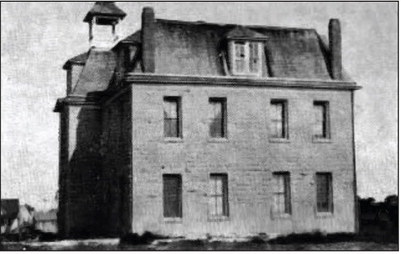
The 200 mph winds destroyed 50 residences, six businesses, two churches and the high school. A lightning strike started a fire in the lumber yard that spread to other businesses. With the terrible weather, townspeople had no way to fight the fire as it spread. Large hail fell in nearby communities.
( Texas History Notebook/Zephyr Tornado, 1909) Some of those who were seriously injured were taken to the Santa Fe Hospital and other hospitals in Temple to be treated.
Contributions from all over Texas were being sent. Between $200 and $250 dollars had been collected in Dublin to help those in need. The final amount was probably higher, because the newspaper article had been written when they had just started the collection. A piece of iron weighing 500 pounds was picked up and moved 200 feet in the direction the storm came from.
“Bob Campbell who was badly hurt, says he ran out of his home and lay flat on the ground, but the wind picked him up several times and threw him about with enough force to kill him, but in the end, he was only badly bruised.”
“In the home of J.B. Arnold, which was blown away, there were twelve people sleeping, none of whom were seriously hurt and four of the young escaped without a bruise” (Dublin Progress, June 4 1909) At Iredell and Comanche scraps of paper, checks, letters etc. were found miles from the storm.
“The home of B.P. Horton, a two story frame structure was left intact on the front, but the rear was cut open and every room exposed to view. A lady’s purse hanging on one of the walls was blown open and some money and a handkerchief left exposed while the purse was left hanging at its place.” (Dublin Progress, June 4, 1909) By July, the Texas relief fund had grown to $15,000, but only a half dozen of the houses had been rebuilt. (Dublin Progress, July 16, 1909) Zephyr eventually rebuilt and had a long period of growth. If you should go to the Zephyr cemetery and look at the headstones, many show the same day of death, May 30, 1909. That was the day one of the biggest storms in Texas history devastated the town.
For Dublin Historical Society information scan here!