
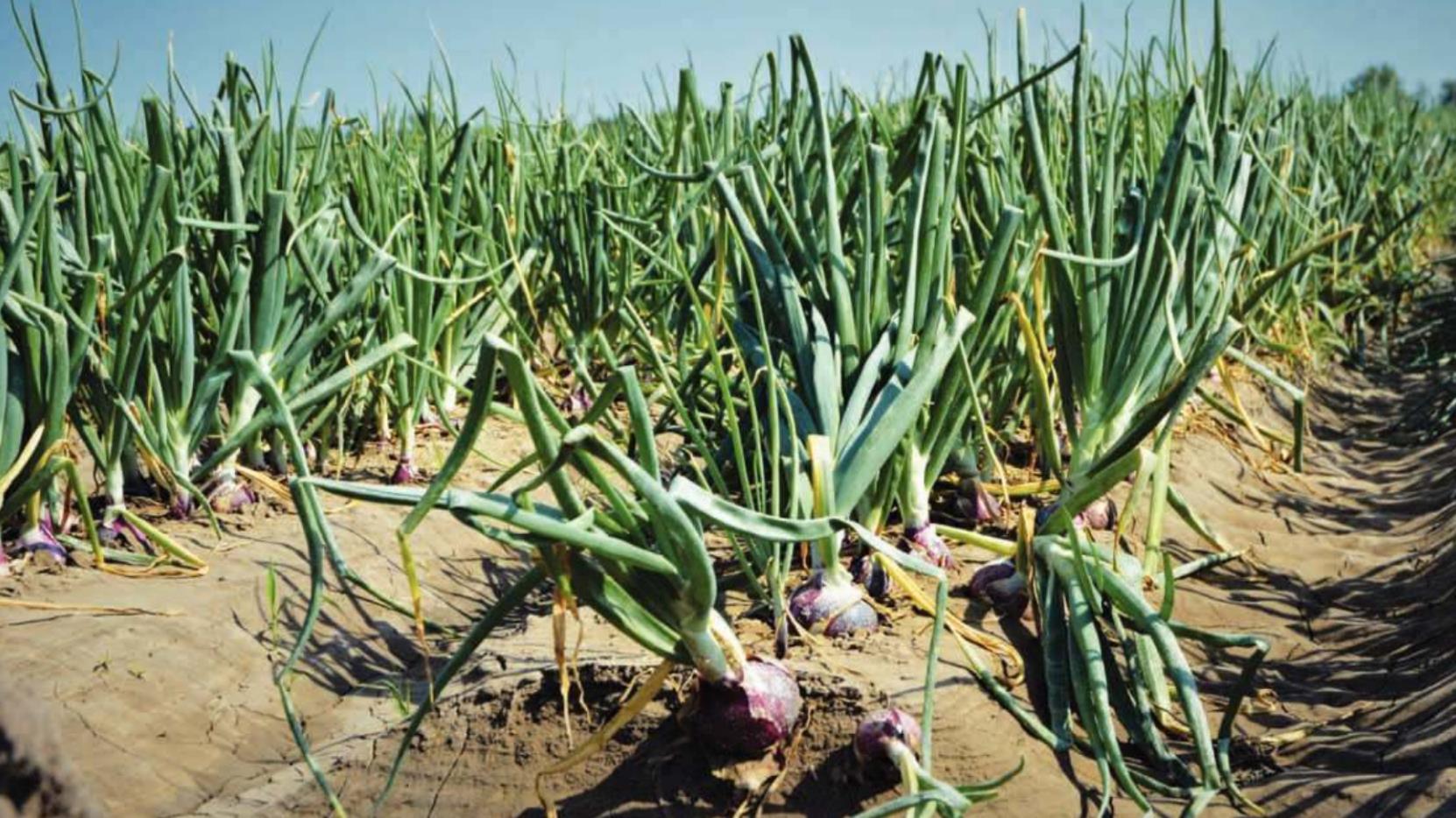
Cool-season crops in the Rio Grande Valley are off to a good start after plantings were delayed by rain, said a Texas A&M AgriLife Extension Service expert.
Producers in the Rio Grande Valley have been busy playing catch-up on planting cool-season crops including onions, leafy greens, carrots and kale, said Juan Anciso, Ph.D., AgriLife Extension vegetable specialist, Weslaco.
September was very wet, starting with rains generated by hurricanes and tropical storms, he said. But now, following days of sunshine and above-normal temperatures, planting operations are at full speed.
“Rains in September delayed early planting, but now planting conditions are perfect,” he said. “Plantings look to be on target.”
The planting window is critical for cool-season crops like onions, cabbage and carrots because of the time they take to mature. Onions take 160-170 days from seed to harvest, Anciso said. Cabbage takes 90-110 days, and carrots take 90-plus days for fresh market and 150-180 days for fields destined for processing.
Carrot planting typically begins in September, and cool-season crop plantings peak in October, so Anciso said conditions have given the newly planted fields a good start.
Texas A&M Agrilife Extension Service
“It’s been warm, into the 90s during the day,” he said. “But a cool front is expected to put daytime temperatures in the 70s with lows in the high-50s.”
Acreage for onions has declined in the last five years, from around 10,000 acres to 6,000 acres this season, Anciso said. Grower diversification has led to much of the changes.
Crops now include everything from spinach, parsley, cilantro, collard greens, okra, celery and more, he said.
“There’s not a lot of acres dedicated to any one crop like we see for other commodities, but there is a diverse range being produced,” he said. “Produce sheds want a little bit of everything, and they are getting it.”
Crops produced in the Rio Grande Valley are destined for major hubs around the state – Houston, San Antonio, Austin and Dallas – but are also shipped throughout the Midwest to cities like St. Louis and Chicago. And some produce makes it to markets in New York.
Anciso said producers are hoping buyers don’t pull back because of financial impacts due to COVID-19, especially as demand for fresh produce has actually increased so far during the pandemic.
“We were expecting everyone might go to canned products, but it’s been the opposite,” he said. “Much of the market prices will depend on how crops in California, Florida and Mexico perform, but we are starting off on the right foot with good stands and good weather.”
AgriLife Extension district reporters compiled the following summary for the Central district:
Most counties reported short soil moisture. Crops and grasses were moisture stressed. Cotton and peanut harvests continued and neared completion. Pecan harvest was underway for early varieties like Pawnee. Livestock were in good to fair condition. Cattle prices trended upward, and sheep and goat prices remained the same. Armyworms came through but not as bad as expected. Wheat planting got off to a slow start with most producers waiting on some soil moisture. Producers were wrapping up small grains planting. Stock pond levels dropped drastically with the warm weather. Most rowcrop farmers were finishing putting out dry fertilizer.